
Maintaining a garden can be both an enjoyable and rewarding hobby, but it comes with its share of challenges. Many garden enthusiasts, whether seasoned or newcomers, often make common mistakes that can impede growth, waste resources, or even harm the plants they are trying to nurture.
Understanding these pitfalls can help gardeners cultivate a healthier and more beautiful landscape while minimizing their effort and costs.

Neglecting Soil Quality
Soil quality is a fundamental aspect of successful gardening. Unfortunately, many gardeners underestimate the importance of healthy soil. Poor soil can lead to a variety of problems, such as stunted growth, pest infestations, and nutrient deficiencies.
Testing the soil for pH levels, nutrient content, and texture is the first step toward establishing a thriving garden. Depending on the results, amendments such as compost, fertilizers, or organic matter may need to be added to achieve optimal conditions.
It’s important to consider crop rotation and cover cropping. Planting the same species in the same location year after year can deplete nutrients and allow pests to thrive.
By rotating crops and using cover crops during the off-season, homeowners can restore nutrients to the soil and enhance its structure.
Neglecting Modern Technology in Gardening
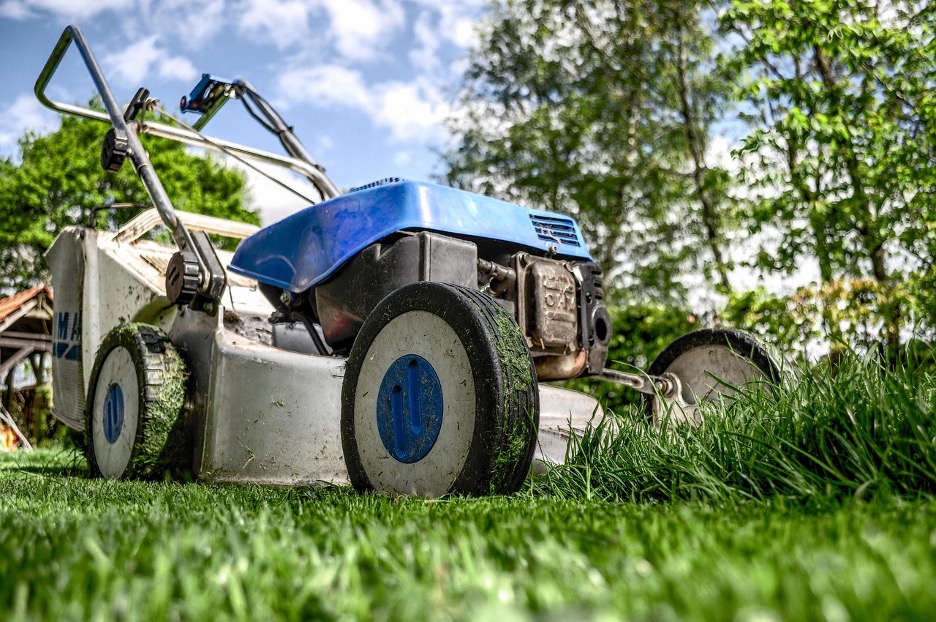
Embracing technology can boost efficiency and effectiveness. Many gardeners shy away from incorporating modern devices, yet doing so can revolutionize their routine. The popularity of robot mowers has surged, providing automated lawn care while allowing homeowners to focus on other gardening tasks.
These smart devices can navigate lawns, cut grass, and even return to their charging stations without human intervention, making them a practical solution for busy gardeners.
Using technology helps monitor climate conditions or soil quality. Sensors that track moisture levels and weather patterns can provide valuable data to improve garden strategies. By embracing such innovations, gardeners can enhance their ability to care for plants while conserving resources.
Overwatering and Underwatering
Watering practices play a significant role in plant health. Many gardeners are guilty of either overwatering or underwatering their plants, both of which can lead to serious issues. Overwatering can suffocate roots, promote fungal diseases, and lead to root rot.
Conversely, underwatering can cause stress and impede growth. To maintain a healthy balance, gardeners should invest in a moisture meter or observe signs of wilting or browning leaves. Understanding the specific water requirements for different plants is also crucial, as some may need more moisture than others.
Seasonal changes and rainfall patterns should guide the watering schedule, ensuring plants receive adequate hydration without drowning. For effective garden maintenance, drip irrigation systems can be a smart investment. They conserve water while targeting the root zones directly.
Ineffective Weed Management
Weeds can quickly overtake a garden if not managed properly. Many gardeners underestimate the impact that a few weeds can have when it comes to competing for resources. By allowing weeds to thrive, they can steal nutrients, water, and space from your desired plants. A proactive approach is vital.
Rather than waiting for weeds to become a problem, regular maintenance should include weeding sessions to pull them out before they seed and spread.
Mulching is an effective method to suppress weeds while retaining soil moisture, benefiting plant growth. Organic mulches, such as wood chips or straw, can enrich the soil as they decompose, creating an additional layer of benefits for the garden.
Ignoring Plant Diseases
Plant diseases can wreak havoc if left unchecked, and many gardeners fail to recognize early signs of illness. Keeping a close eye on plant health is vital for timely intervention.
Symptoms such as discoloration, wilting, or unusual spots could indicate underlying diseases that need addressing. Some gardens may face pests that cause damage, further complicating the matter.
Regularly inspecting plants, particularly during growing seasons, allows gardeners to spot problems before they escalate. Implementing organic pest control methods can help maintain plant health while minimizing damage.
Effective intervention includes removing affected leaves, maintaining good air circulation, and applying natural treatments when necessary.
Failing to Plan for Seasonal Changes
Every season brings its own set of challenges and opportunities in garden maintenance. A lack of planning for seasonal changes can lead to missed opportunities for planting and maintenance.
Failing to prepare for winter can result in perennial plant death or damage. Covering sensitive plants with frost cloth or mulching the root zones can protect them from harsh frosts. Conversely, some gardeners may dive into planting too early in spring, which can lead to frost damage.
Planning for seasons includes knowing when to harvest and how to store seasonal produce. Understanding the specific needs of plants, such as summer crops and winter vegetables, is crucial for maximizing yield.
Grouping plants with similar requirements can save time and effort while enhancing garden health.
Avoiding common mistakes in garden maintenance can lead to a successful and rewarding gardening experience.
By focusing on soil quality, practicing proper watering techniques, managing weeds effectively, recognizing plant diseases early, planning for seasonal shifts, and leveraging modern technology, gardeners can cultivate vibrant and healthy landscapes.
Through careful attention to these critical aspects, anyone can transform their garden into a thriving ecosystem.

No Comments